If you want to feel the pulse of Central Italy, don’t just visit the museums, step into its festivals. The ancient festivals of Central Italy aren’t glossy reenactments: they’re living rituals, tuned by centuries of habit and belief. From Etruscan echoes in hilltown processions to Roman dates still circled on calendars, you’ll witness how communities here remember with their bodies: running, lifting, chanting, weaving carpets of flowers. This guide helps you read the code, time your trip, and experience each celebration with the respect, and awe, it deserves.
Why Ancient Festivals Still Matter In Central Italy
Continuity From Etruscan And Roman Rites
You can still trace a line from today’s parades and pilgrimages back to Etruscan auguries and Roman civic religion. The forms have changed, saints replaced gods, Latin gave way to dialects, but the choreography of community remains recognizable. Shoulder-borne structures mirror ancient processional carts. May games echo spring rites for fertility and renewal. Wine blessings recall the Vinalia, when Romans asked Venus or Jupiter to favor vineyards.
The power is in repetition. You see locals do what their grandparents did, and often in the same streets. Each reprise stitches memory to place. That’s why these aren’t quaint entertainments: they’re how towns hold themselves together and pass meaning forward. You’re not just watching: you’re stepping into a stream that’s been flowing for two millennia.
Sacred Spaces: Hilltowns, Forums, And Sanctuaries
Central Italy’s geography shapes its rituals. Hilltowns like Gubbio, Assisi, and Ascoli Piceno turn steep lanes into testing grounds for stamina and devotion. In Rome, forums and circuses once staged imperial spectacle: today, founding-day reenactments and civic parades claim those stones anew. Around lakes and mountain sanctuaries, think Nemi’s wooded crater or Abruzzo’s high plateaus, water and altitude add a sacral charge.
When you show up, learn the map: the piazza isn’t just a square: it’s a theater with centuries of scripted entrances and exits. Shrines anchor routes. City gates still matter. And the bells? They’re cues, not background noise.
The Festival Calendar At A Glance
Spring Rites And Flower Carpets
Spring is renewal season. In early May, you’ll find May games and musical challenges in medieval garb, while towns like Spello devote an entire night to crafting Infiorata, intricate carpets of petals for Corpus Domini. The result is a dawn miracle: streets transformed into temporary sacred art, meant to be walked upon by a procession that sanctifies the town’s heart.
Summer Games And Processions
Summer turns kinetic. Strength, speed, and pageantry take over during June–August. Expect flag-throwers, drum corps, and neighborhood rivalries dressed in brocade. In Rome, the Natale di Roma around April 21 kicks off the season’s Romanitas, but the momentum carries through: jousts in the Marche, boat blessings on lakes, and long twilight processions from village to sanctuary.
Autumn Harvests And Votive Offerings
Grapes, olives, and grain drive autumn rituals. You’ll see vineyards blessed, first must sampled, and country shrines piled with offerings. Ancient dates echo here: the Vinalia rustica (August) and later harvest masses blend Roman timing with Christian thanksgiving. Markets swell with new oil, truffles, and chestnuts, edible liturgy, essentially.
Winter Revels And Saturnalian Echoes
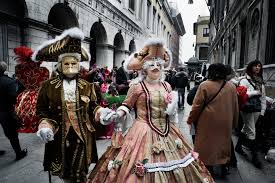
Winter leans playful and topsy-turvy. Pre-Lenten festivities carry Saturnalia’s DNA: masks, licensed misrule, and warm wine against the cold. In mountain towns, bonfires purify and protect, and nativity pageants spill outdoors, using entire villages as a stage. The calendar contracts but intensifies: smaller communities shine brightest when nights are longest.
Umbria’s Heartland: Rituals That Run Up The Hills
Gubbio’s Corsa Dei Ceri (May 15): Saints And Pre-Roman Energy
You feel the ground vibrate before you see it. Teams in yellow, blue, and black sprint uphill carrying massive wooden “Ceri”, towering candles topped with saints, through Gubbio’s vertical streets and into the basilica of Sant’Ubaldo. It’s May 15, and the city moves as one organism. Scholars point to pre-Roman roots in the raw dynamism, but locals will tell you simply: we do this for our patron, and for each other.
If you go, post up early near the narrow turns to feel the surge. Cheer with the crowd but let the ceraioli have space: this is devotion at full speed, not a spectator sport.
Assisi’s Calendimaggio: May Games With Ancient Undercurrents
Assisi splits into two historic factions, Nobilissima Parte de Sopra and Magnifica Parte de Sotto, for a duel of song, theater, and medieval craft. It’s playful, proud, and pointed, with judges weighing who better honors spring. Beneath the pageant, you’ll sense older May rites: a ritualized negotiation between town halves, blessings for fertility, and the idea that music can summon the season.
Evenings are golden here. Follow drumbeats into courtyards where choirs test acoustics older than the Italian state.
Spello’s Infiorata: Corpus Domini On Flower Carpets
Spello becomes a perfumed workshop the night before Corpus Domini. Locals and visitors sort petals, grind herbs, and stencil biblical and symbolic scenes onto cobbles. By sunrise, hundreds of meters of floral mosaics line the route for the Blessed Sacrament. The theology is Catholic: the gesture, making impermanent beauty for a sacred passage, feels timeless.
Volunteer if you can. You’ll learn the quiet choreography: scissors snipping, whispers about color gradients, and the collective hush when the procession finally walks.
Lazio And Rome: From Imperial Spectacle To Local Devotions
Rome’s Natale Di Roma (April 21): Founding Myth Reenactments
Rome celebrates its birthday with legionaries on the march, she-wolf standards, and arena drills staged by historical associations. Yes, it’s theatrical, but you’re watching a city in conversation with its own origin story. Events sprawl across the Circus Maximus, the Forum, and along the Tiber. If you’re tuned to symbolism, you’ll catch the continuity: civic identity reaffirmed on ancient ground, right on the traditional foundation date.
Nemi’s Diana And Lake Rituals: Echoes Of The Rex Nemorensis
Above Lake Nemi, a crater ringed with forest, the old sanctuary of Diana once presided over a priest-king chosen by combat, the famous Rex Nemorensis. Today, Nemi is quieter, known for strawberries and lake blessings, but the setting still hums with myth. Occasional summertime rites and processions circle the shore, and the walk to the temple ruins is a pocket-sized pilgrimage. Go at dusk to watch the crater hold the last light like a chalice.
Vinalia And Wine Blessings In The Countryside
The Roman Vinalia (April and August) honored wine at two key moments: tasting and ripening. In Lazio’s countryside you’ll still find parish blessings of vineyards and celebratory tastings that map neatly onto that rhythm, even if the saints have changed. Around late summer and early autumn, enotecas pour new vintages, confraternities parade, and you’re invited to toast a cycle that’s barely changed since Caesar’s neighbors tended these slopes.
Marche And Abruzzo: Games, Jousts, And Mountain Offerings
Ascoli Piceno’s Quintana: Medieval Joust With Roman Pageantry
Don’t let the “medieval” tag fool you, Quintana’s DNA is older. Knights on horseback charge a rotating target (the Saracen) in a contest rooted in training drills that Romans would recognize, wrapped now in baroque splendor. Neighborhood banners, trumpets, and strict heraldic rules turn Ascoli’s piazza into a time capsule. Arrive for the historical parade to see velvet and armor glow in the afternoon sun before the adrenaline hits.
L’Aquila Pilgrimages And Transhumance Traditions
L’Aquila’s calendar peaks with the Perdonanza Celestiniana in late August, when a holy door opens once a year, granting indulgence to pilgrims, a ritual founded in 1294. The city’s resilience after earthquakes gives the procession extra gravity. Beyond town, Abruzzo’s highlands remember the old transhumance: seasonal sheep migrations along the tratturi. Feast days along these routes blend pastoral blessings, mountain music, and open-air meals where you’ll hear stories of shepherd roads that predate motorways.
Sulmona’s Madonna Che Scappa: Easter Drama With Ancient Choreography
On Easter Sunday, Sulmona stages a burst of kinetic hope. A statue of the Virgin, shrouded in mourning, suddenly “runs” across the piazza when her grief turns to joy at the Resurrection, doves fly, the crowd shouts, and the choreography snaps from sorrow to speed. It’s Christian theater with classical timing: suspense, reveal, catharsis. For a good view, stand diagonally across from the church to catch the pivot and the sprint.
How To Experience These Festivals Respectfully
When To Go And What To Expect
Plan around fixed dates (Gubbio May 15: Rome April 21: Easter varies) and movable feasts like Corpus Domini. Book early, small towns fill fast. Expect crowds, tight streets, and long, thrilling waits for a few minutes of pure intensity. Bring cash for donations and local food stands: many events support parishes or neighborhood associations.
Etiquette In Sacred And Civic Spaces
You’re a guest inside someone’s ritual. Dress modestly for church moments. Step back for processions and shoulder-borne structures, don’t cross the route. Ask before photographing people preparing altars or flower carpets. And when bells ring or prayers begin, join the silence. Respect earns you invitations: that’s when doors open.
Supporting Local Artisans, Foodways, And Preservation
- Buy from the people who make the festival happen: banner painters, seamstresses, woodworkers, and pastry shops that fuel volunteers through the night.
- Eat regional: porchetta in Umbria, olive all’ascolana in the Marche, arrosticini in Abruzzo, and Lazio’s wines timed to the season. Your euros help keep these living traditions alive.
Conclusion
If you’re chasing authentic culture, the ancient festivals of Central Italy deliver it in real time: not behind glass, but on cobbles and under bell towers. Show up with curiosity and patience. Learn a chant, follow a banner, share a paper cone of fried olives with the person next to you. You’ll leave with something museums can’t package, a felt sense of continuity, and a story you now carry forward.
No responses yet