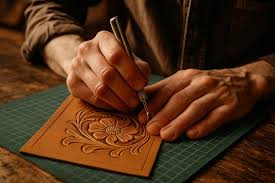
You can spot Italian leather from across a room, the quiet glow, the depth of color, the way it ages with you rather than against you. But what feels like magic is really a centuries-deep system of craft. If you’ve ever wondered why handmade leather from Italy sets a higher bar, you’re about to see the secrets up close: the history that shaped it, the tanning that defines it, the techniques that make it last, and how you can buy and care for pieces that become part of your story.
A Heritage Woven In Hide: Italy’s Leather Legacy
The story of Italian artisanship is a living thread, from medieval trade routes to the bottega around the corner. Leather wasn’t just a commodity: it was identity, regulated by guilds that guarded techniques and standards like treasure. That culture of pride still shows in today’s family workshops, where tradition evolves rather than freezes.
From Guilds To Family Workshops
In cities like Florence, guilds once set strict rules on methods, materials, and quality. Those standards trickled down through apprenticeships, creating a disciplined eye for detail. You’ll still feel that lineage in modern ateliers: a master craftsperson teaches a niece to judge a hide by touch alone: a son learns to hear the difference between a good stitch and a weak one. The mindset is consistent, use the best inputs, respect the material, and make things you won’t be embarrassed to repair in 20 years. That’s why when you hold Italian handmade leather, you’re often holding someone’s family reputation.
From Raw Hide To Supple Leather: Tanning That Sets Italy Apart
Tanning is where raw hide becomes leather, and in Italy, the approach dictates the soul of the finished piece. Different methods create different tempers, scents, and patinas, so when you choose a wallet, bag, or pair of shoes, you’re really choosing a tanning philosophy.
Vegetable Tanning: Time And Patina
Vegetable tanning relies on tannins from bark and plants, think oak, chestnut, mimosa. In Tuscany’s Santa Croce sull’Arno and Ponte a Egola, hides often spend weeks in pits, absorbing tannins slowly. Veg-tan typically takes four to eight weeks, sometimes longer, and the result is firm, structured leather that starts pale and deepens with use. It develops that coveted patina: a map of your habits, sun exposure, and care. You’ll notice a warm, woody scent, edges that burnish beautifully, and a surface that ages rather than wears out. If you’re drawn to belts, structured totes, watch straps, and goods meant to tell a story, you’ll likely love veg-tan.
Chrome And Modern Hybrid Methods
Chrome tanning uses chromium salts for speed, often a day or two, producing softer, more flexible leather with excellent color consistency and water resistance. Italy’s Arzignano district is a global hub for advanced chrome tanning and finishing, supplying premium fashion houses. Many Italian tanneries also use hybrid (re-tan) methods: chrome for the soft hand and stability, then a vegetable re-tan for body and depth. When done well, hybrids give you the comfort of chrome with a touch of veg character. Whichever route you choose, top Italian tanneries comply with strict REACH standards and, increasingly, certifications like Leather Working Group for audited environmental performance.
Inside The Atelier: Techniques That Make Handmade Pieces Last
Once the leather is tanned, the craft moves to the bench. You can tell a handmade piece not just by what you see, but by what you can’t, how the pattern was planned, how the stitch locks, how edges are persuaded to behave.
Patterning And Precise Cutting
Great leatherwork starts on paper (or screen) with patterns that respect the hide. You want the strongest parts, the backbone area, with tighter grain, for stress points like straps and gussets. Skilled makers place pieces with the grain’s direction in mind so a bag holds shape and a belt doesn’t ripple. Cutting can be done with clicker presses for efficiency or by hand with head knives and skiving blades for tighter control. The best artisans minimize waste without compromising alignment, and they’ll grain-match panels so the front of your briefcase looks coherent instead of patchwork.
Hand Stitching And Edge Finishing
Stitching is where lasting strength happens. The gold standard is the saddle stitch: two needles pass through each hole from opposite sides, creating a knotless, interlocking seam that won’t unravel if one thread breaks. Holes are marked with pricking irons, then opened with an awl so the stitch sits cleanly. Threads are often linen or polyester braided and waxed for abrasion resistance. Machine stitching can be excellent too, but on stress points like handles or sheaths, the saddle stitch earns its reputation.
Edges, meanwhile, separate good from great. You’ll see beveled, sanded, and burnished edges sealed with gum tragacanth or similar compounds, then polished with heat and wax. On chrome-tanned handbags, edges may be painted in multiple coats, sanded between, for a glassy line. And reinforcement matters: hidden linings, skived layers, and properly set rivets and bar tacks keep everything tidy under the surface.
Regional Signatures And Iconic Styles
Italy’s leather culture isn’t monolithic. Each region carries a specialty that shapes what you see in boutiques and ateliers.
Tuscany’s Vegetable-Tan Heartland
Tuscany is the heartbeat of vegetable tanning. The Consorzio Vera Pelle Italiana Conciata al Vegetale represents tanneries preserving traditional methods while pushing for traceability and environmental stewardship. From belts to structured totes and minimalist wallets, Tuscan veg-tan thrives on simple designs that age gracefully. If you’re after patina-forward goods, this is your hunting ground.
Marche And Naples: Footwear And Gloves
Marche, especially around Montegranaro, is shoe country, blending hand-lasting with Goodyear welt and Blake constructions. Expect balanced lasts, tight stitch density, and soles that can be resoled for decades of wear. Naples (Napoli) is famed for gloves: buttery hairsheep and deerskin cut by hand on stretch boards so each finger moves naturally. You’ll feel the difference when you drive or handle a phone, gloves that bend with you rather than against you.
How To Recognize Quality And Buy With Confidence
You don’t need a loupe to shop smart, you need a method. Here’s how to evaluate Italian handmade leather in-hand and in-store.
Read The Grain
Start with the surface. Full-grain leather keeps the hide’s original surface, tiny pores and all, for maximum strength and breathability. It’ll show minor variations, small healed marks or subtle texture, that signal authenticity. Top-grain is lightly sanded and finished for uniformity: still good, just less character. Corrected grain is heavily finished to mask defects: it can look flawless at first but won’t age the same. Press your thumb: quality leather warms and springs back. Smell it: you want a clean, woody-leather scent, not solvent.
Stitching, Edges, And Hardware
Look for even stitch length and tight back-tacking at stress points. If it’s hand-stitched, you’ll see a slight slant to each hole and a subtle rhythm along the seam. Edges should be smooth, either impeccably burnished (for veg-tan) or evenly painted with no drips or rough spots. Hardware matters, too: solid brass or stainless steel beats flimsy plated alloys. Buckles should feel dense: zippers (Raccagni, Lampo, or top-tier YKK) should glide without catching.
Provenance And Certifications
In Italy, origin isn’t just marketing, it’s a promise. Many veg-tan items carry the “Pelle Conciata al Vegetale in Toscana” hangtag with a unique code, letting you trace the tannery. For broader sustainability, ask if the tannery is Leather Working Group certified, and whether materials comply with EU REACH. If a brand can tell you the tannery, the thread, the hardware source, good sign. If they dodge basic questions, trust your instincts and walk.
Caring For Leather The Italian Way
Owning Italian leather is a little like owning a manual transmission, you’ll enjoy it more if you know what you’re doing. A simple routine keeps your pieces aging beautifully.
Conditioning And Cleaning
Dust first with a soft brush or microfiber cloth. For veg-tan and full-grain chrome leathers, apply a light, neutral conditioner a few times a year, sparingly, so you don’t clog pores or darken excessively. Test on an inconspicuous spot. Avoid silicone-heavy products and aggressive cleaners: pH-balanced leather soaps are enough for surface grime. If a stain happens, blot, don’t rub. Ink and oil can be tricky, better to see a professional than make it worse.
Weather, Storage, And Repairs
Water won’t destroy quality leather, but it will mark veg-tan. If you’re caught in rain, blot dry and let it air-dry away from heat, then condition lightly. For shoes, insert cedar trees after wear to wick moisture and keep shape. Store bags stuffed with acid-free paper, in breathable dust bags, not plastic. Rotate pieces to let them rest. When something fails, heels, soles, edge paint, repair, don’t replace. Italian constructions like Goodyear welt and Blake are made to be serviced: a good cobbler can resole, re-dye, and re-edge so you keep the miles you’ve already put in.
- Quick care mantra: clean gently, dry slowly, condition lightly, store smartly.
Conclusion
Italian artisanship isn’t a secret society: it’s a set of choices, repeated well, for a very long time. When you pick handmade leather from Italy, you’re choosing thoughtful tanning, honest materials, and methods that respect failure as much as success. Trust your senses, grain you can read, stitching you can count, hardware with heft, and you’ll end up with pieces that outlast trends and, frankly, outlast you. That’s the quiet luxury you can actually use.
No responses yet