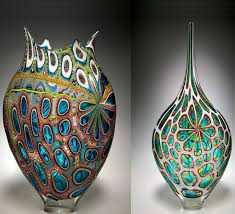
Stand long enough on Murano and you’ll hear it, the hush before a maestro gathers molten honey from the furnace. The Art of Murano Glass: A Venetian Tradition Alive isn’t nostalgia: it’s a beating, blazing present. You’re stepping into a world where sand becomes light, where hand and heat govern every curve, and where centuries of technique still evolve. If you’ve wondered how to spot real Murano glass, what makes it sing with color, or how to experience it without falling for copycats, this guide walks you into the workshop, past the annealing ovens, and right up to the collector’s shelf.
From Lagoon Workshops to Global Icon: A Brief History
Murano’s glassmakers weren’t always on their island. In 1291, the Venetian Republic ordered furnaces moved from the city’s wooden core to Murano to reduce fire risk, and, conveniently, to keep closely guarded techniques from wandering. From there, the glassblowers’ guild rose to power. Families intermarried, secrets passed quietly, and the island became a diplomatic tool: gifts of chandeliers and mirrors smoothed trade and crowned palaces.
By the 15th century, Murano had mastered cristallo, a clear, nearly colorless glass prized across Europe, alongside aventurine, a sparkling glass flecked with copper crystals that set collectors buzzing. Even as mirrors migrated to France and industrial glass surged elsewhere, Murano glass persisted by specializing in the handmade: intricate murrine, lace-like filigrana, and later, 20th-century design partnerships that pulled the island into modernism. Today, you read Murano’s story through its ateliers: names like Barovier & Toso, Venini, and Seguso, each a chapter in a long, and still unfolding, Venetian tradition.
Hallmarks of Murano Mastery: Materials, Techniques, and Styles
Sand to Silica: Ingredients and Color
Murano’s base recipe is a soda-lime glass: silica sand, soda (sodium carbonate), and lime, with decolorizers to chase green tints. The alchemy begins with color: metal oxides and minerals. Cobalt yields deep blues: copper shifts from turquoise to ruby depending on oxidation: manganese balances clarity: gold, yes, real gold, produces that sumptuous ruby red when carefully struck in the right heat cycle. Additions like silver leaf or gold leaf suspend glints within layers, while aventurine,notoriously fickle, traps shimmering copper crystals that can either sing or slump if mishandled.
The material vocabulary matters because Murano color isn’t just painted on: it’s fused, layered, and forever. That’s why a vase can look like sea and sunrise all at once without fading in a decade.
Signature Techniques: Blowing, Lampworking, Murrine, Filigrana, Sommerso, Battuto, Inciso
Blown glass is Murano’s backbone. A gather of molten glass is inflated on the blowpipe, shaped with wooden blocks and wet newspaper, and coaxed into form by an orchestra: the maestro leading, assistants turning, shears snipping, jacks defining the lip. Lampworking, torch-based, creates delicate flowers, beads, and miniature sculptures from rods, often in borosilicate off-island, but Murano’s lampworkers traditionally use softer soda-lime rods to keep the chromatic language consistent.
Murrine slices cross-sections of patterned canes, imagine cutting a roll of candy to reveal the design within, then fuses those slices into a quilt that’s blown or molded into vessels. Filigrana (including latticino) stretches threads of white or colored glass into twisting lines and net-like lattices that feel like frozen lace.
Sommerso stacks transparent layers so colors appear suspended, amber over amethyst, for instance, yielding a gravity-defying depth. Cold techniques add character: battuto grinds a rhythmic, hammered texture: inciso inscribes fine, velvety lines that break up reflections and deepen the surface.
Forms and Aesthetics: Chandeliers, Vases, Sculpture, and Jewelry
Walk under a Murano chandelier and you understand why palazzos were built with high ceilings. The arms sweep, the flowers curl, and the whole piece balances weight with airy light. Vases are a laboratory for murrine, filigrana, and sommerso, geometry meeting gesture. Sculpture ranges from abstract knots of color to figural pieces that flirt with the baroque. And Murano jewelry, from lampworked beads to gold-leaf pendants, distills that same ethos into wearable light. Across forms, you’ll see restraint and exuberance trade places. One studio leans razor-clean: another celebrates ripples, bubbles, and the human hand.
Inside the Furnace: How a Piece Comes to Life
Design, Roles, and the Maestri
It starts on paper, or sometimes just in the maestro’s head. A sketch defines height, lip, and color blocks, but the real blueprint is muscle memory. The team matters: the maestro commands form: serventi assist with gathers, handles, and transfers: the garzone apprentices hustle tools and watch everything. Timing is a metronome. Miss the beat and the glass slumps or cracks.
Hot Work Versus Cold Work
Hot work is choreography at 1,100°C. A gather, a breath, a swing to lengthen the neck. The piece moves from blowpipe to punty (pontil), flipped to finish the lip, shaped on the marver, and flashed in the glory hole to keep it workable. Once the form holds, it goes to the annealer: a controlled cool that prevents internal stress.
Cold work begins after annealing. Grinding flattens bases: polishing clarifies edges: battuto or inciso carve texture. Drilling might prepare a chandelier arm for wiring. Every pass risks a chip or stress line, which is why experienced cold workers are worth their weight, well, maybe not gold leaf, but close.
Finishing and Quality Control
Murano studios eye three things: symmetry (does it sit and balance?), surface (no scuffs, clean joins, deliberate texture), and voice (does it look like this studio’s work?). Bases are signed or acid-stamped. Flaws are part of handmade glass, but there’s a difference between a ghost bubble that catches light and a stress crack that spells disaster. Good studios reject aggressively to keep their lineage clean.
Tradition in Motion: The Maestri, Studios, and Apprenticeships
Family Ateliers and Signatures
Murano is a network of family ateliers whose names read like a map of Venetian glass: Barovier & Toso tracing back to the 13th century, Venini’s modernist renaissance in the 1920s, Seguso’s generations of chandeliers and contemporary forms. Signatures aren’t just provenance: they’re dialects. You recognize a Venini colorway across a room, a Barovier twist of filigrana, a Seguso curve that’s somehow both athletic and elegant.
Training, Secrets, and the Guild Legacy
The old guild, the Arte dei Vetrai, regulated pay, marriage outside the island, even who could take secrets abroad (almost no one). While the guild system is gone, the mindset lingers in apprenticeships that value patience and repetition. You might spend months pulling canes before you’re allowed to open a lip. Techniques travel by demonstration and correction rather than manuals, if you’re learning, you’re watching the maestro’s shoulder, not reading a recipe.
Experiencing and Collecting Murano Today
Must-See Workshops and Demonstrations
If you’re in Venice, hop to Murano early, before the crowds. Many furnaces open for brief demonstrations, glass gathered, blown, and shaped into a small figure or vase in minutes. It’s showmanship, sure, but it’s also education. Ask about annealing times, color recipes, and whether the demo team is the same crew behind the gallery pieces. Often, it is.
Museums and Notable Collections
Start at Murano’s Museo del Vetro, where Roman shards converse with modern masterpieces. Off-island, you’ll see Murano’s global footprint at the Corning Museum of Glass in New York, London’s Victoria and Albert Museum, and The Met. Contemporary design crossovers appear in design fairs and galleries worldwide, where Murano studios partner with architects and artists.
Buying Smart: Authenticity, Pricing, and Care
The market loves Murano glass, which means imitators do, too. You won’t regret slowing down, asking questions, and trusting your hands and eyes.
- Look for the official Vetro Artistico Murano trademark or robust certificates tied to a known studio: verify signatures and compare to cataloged examples.
- Evaluate complexity: real filigrana shows crisp, continuous threads: murrine align and fuse cleanly: sommerso layers are clear, not muddy.
- Ask about provenance and the maestro. Limited editions, documented collaborations, and older pieces with intact labels or invoices carry premiums.
- Expect pricing to reflect size, difficulty, color (gold ruby and aventurine are costly), and cold work. If a chandelier’s price seems too good to be true, it probably is.
- Care is simple: avoid thermal shock, dust with a soft brush, and move pieces with two hands supporting the base. Sunlight won’t bleach true Murano color, but adhesives, gilding, and wires on vintage chandeliers deserve gentler environments.
If you’re buying remotely, request daylight photos, base shots, and details of signatures or labels. Reputable dealers volunteer flaws and restorations: they don’t bury them.
Beyond the Classics: Contemporary Innovation and Sustainability
Collaborations, New Forms, and Cross-Disciplinary Design
Murano’s future leans into collaboration. Designers bring fresh geometries: maestros translate them into heat and motion. Venini’s 20th-century partnerships with Carlo Scarpa set the template for today’s cross-disciplinary experiments, think architects specifying bespoke glass walls, fashion houses commissioning limited series, and artists pushing scale until a piece becomes an environment. You’ll see hybrid works marrying glass with stone, metal, or light, LEDs carefully integrated into blown forms without cooking the glass.
Recycling, Emissions, and Energy Challenges
Furnaces are energy-intensive, and the lagoon doesn’t forgive waste. Studios increasingly add cullet (clean scrap glass) to batches to lower melting temperatures, explore electric or hybrid furnaces, and tweak burners to cut NOx. Filters and smarter heat recovery systems trim emissions. The challenge? Consistency and color purity, recycled content can shift chemistry and behavior. Progress is incremental but real: the goal is a Murano that keeps its soul while meeting modern sustainability standards.
Conclusion
The Art of Murano Glass: A Venetian Tradition Alive is, at heart, a conversation between fire and hand, and you’re invited. When you know how color is born, why techniques matter, and how to spot the real thing, you don’t just buy an object: you collect skill, lineage, and a little Venetian light. Next time you see a Murano piece catch sun on a shelf, you’ll recognize the centuries flickering inside it, and maybe feel the furnace’s heat at your back.
No responses yet